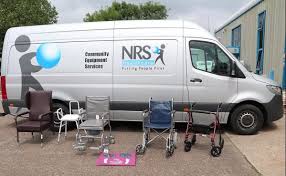
Welcome to Essential Aids
Welcome to the UK's top provider of disability aids, mobility aids and daily living aids.
We offer a wide range of aids for the elderly, including crutches, wheelchair accessories, bathroom aids, toilet aids, kitchen aids and dressing aids.
We supply direct to the public as well as schools, local authorities and the NHS.
Types of Disability Aids and Equipment
- Mobility Aids: These include wheelchairs (manual and powered), mobility scooters, walking sticks, crutches, and walking frames. They help people with mobility challenges move around safely and comfortably.
- Daily Living Aids: Devices such as grab rails, shower seats, raised toilet seats, adapted cutlery, and dressing aids assist with tasks at home, making daily routines easier and safer.
- Communication Aids: Tools like speech-generating devices, hearing aids, and magnifiers support individuals with speech, hearing, or visual impairments to communicate more effectively.
- Sensory Aids: These include Braille readers, talking clocks, vibrating alarm clocks, and text-to-speech software, which help those with sight or hearing loss engage with their environment.
- Environmental Control Systems: Smart home technologies such as voice-activated lighting, automated doors, and remote-controlled appliances allow greater independence.
- Orthopaedic Aids: Items like supportive braces, orthotic insoles, and splints can provide physical support and pain relief.
- Accessible Technology: Adaptive keyboards, trackballs, screen readers, and software designed for accessibility improve computer and smartphone use for people with disabilities.
Benefits of Disability Aids and Equipment
- Independence: Enable individuals to perform daily tasks without assistance.
- Safety: Reduce the risk of accidents and falls at home and in public spaces.
- Participation: Facilitate access to education, employment, and community activities.
- Quality of Life: Improve physical comfort, mental well-being, and social engagement.
Accessing Disability Aids and Equipment
In the United Kingdom and Ireland, disability aids can often be accessed through the NHS (National Health Service), HSE (Health Service Executive in Ireland), local councils, or private suppliers. The process typically involves an assessment by an occupational therapist or healthcare professional, who will recommend suitable aids and equipment based on individual needs.
- NHS and HSE Provision: Many essential aids are provided free of charge or loaned to those who qualify following an assessment.
- Local Authority Support: Councils may offer grants or funding for home adaptations and equipment.
- Charities and Voluntary Organisations: Groups such as Scope, Disability Rights UK, and the Irish Wheelchair Association offer advice, support, and sometimes financial assistance.
- Private Purchase: If not eligible for public funding, individuals can buy aids directly from specialised retailers.
Choosing the Right Equipment
Selecting appropriate aids is highly individual. It is important to consult with healthcare professionals and try out different devices before making a decision. Consider factors such as comfort, ease of use, maintenance, and compatibility with existing equipment.
Maintenance and Training
Regular maintenance of equipment is crucial for safety and effectiveness. Many suppliers offer servicing, and some public health services include maintenance as part of their provision. Training and support in using new aids are often available, ensuring users gain the maximum benefit.
Conclusion
Disability aids and equipment play a vital role in promoting independence, safety, and quality of life for people with disabilities. With a wide array of devices available and support from public services, charities, and private suppliers, individuals can find solutions tailored to their needs and circumstances. For further guidance, seek advice from healthcare professionals or local support organisations.